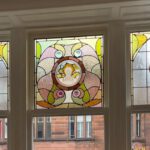
The Art of Stained Glass Restoration: Preserving Heritage Through Modern Techniques
Discover how traditional stained glass restoration combines centuries-old craftsmanship with cutting-edge technology to preserve our architectural heritage for future generations.
Stained glass restoration is more than just a craft—it’s a delicate balance between preserving historical authenticity and implementing modern conservation techniques. At AWM Glass Design, we’ve been at the forefront of this specialized field for over four decades, developing innovative approaches that respect tradition while ensuring longevity.
Understanding the Historical Significance
Every piece of stained glass tells a story, whether it’s a medieval church window or a Victorian-era residential feature. These works of art represent not just aesthetic beauty, but also historical, cultural, and technological achievements of their time. When we approach a restoration project, our first step is always to understand and document the historical context.
Our team conducts thorough research into the original materials, techniques, and design intentions. This includes analyzing the glass composition, lead came patterns, and even the original color palette. This research phase is crucial because it informs every decision we make during the restoration process.

Modern Technology Meets Traditional Craftsmanship
While we deeply respect traditional methods, we also embrace modern technology that can enhance the restoration process. Advanced imaging techniques, such as high-resolution photography and 3D scanning, allow us to document every detail before we begin work. This digital documentation serves multiple purposes:
- Creating detailed condition reports for conservation authorities
- Planning precise restoration strategies
- Providing before-and-after documentation for clients
- Establishing baseline conditions for future maintenance
However, when it comes to the actual restoration work, we rely heavily on traditional techniques that have been refined over centuries. Our craftsmen are trained in the same methods used by the original artisans, ensuring that the restored piece maintains its authentic character.

The Restoration Process: A Step-by-Step Approach
Our restoration process follows a carefully planned sequence that ensures quality and consistency. Here’s how we approach each project:
1. Assessment and Documentation
We begin with a comprehensive assessment of the existing condition. This includes structural analysis, material testing, and detailed photographic documentation. We also research the historical context and any previous restoration work that may have been done.
2. Conservation Planning
Based on our assessment, we develop a detailed conservation plan that outlines every step of the restoration process. This plan is shared with the client and any relevant authorities, ensuring transparency and approval before work begins.
3. Gentle Cleaning and Stabilization
The cleaning process is perhaps the most delicate part of restoration. We use gentle, non-abrasive methods that remove centuries of grime without damaging the original glass or paint. Any loose or damaged elements are carefully stabilized to prevent further deterioration.
4. Structural Repairs
Damaged lead came is carefully removed and replaced with new lead that matches the original profile. Broken glass pieces are either repaired or replaced with carefully matched antique glass. All repairs are done using traditional techniques and materials.
5. Paint Restoration
Where original paint has been lost or damaged, we carefully restore it using traditional glass paints and firing techniques. This is perhaps the most challenging aspect, as it requires both artistic skill and technical knowledge of historical materials.
6. Final Assembly and Installation
Once all restoration work is complete, the piece is carefully reassembled and installed. We use modern glazing techniques that provide additional protection while maintaining the original appearance.
The Importance of Material Matching
One of the most critical aspects of successful restoration is matching the original materials as closely as possible. This includes not just the glass colors and textures, but also the lead came profiles and even the original paint formulations.
We maintain an extensive collection of antique glass that allows us to find perfect matches for most restoration projects. When exact matches aren’t available, we work with specialist glass manufacturers to create custom pieces that replicate the original appearance.
Looking to the Future
As we look to the future, we’re constantly exploring new techniques and materials that can enhance our restoration capabilities while maintaining the highest standards of authenticity. This includes developing new conservation methods, exploring sustainable materials, and training the next generation of restoration craftsmen.
The field of stained glass restoration is evolving, but our commitment to preserving our architectural heritage remains constant. Every project we undertake is not just about fixing what’s broken—it’s about ensuring that these beautiful works of art continue to inspire and delight for generations to come.
Key Takeaway
Successful stained glass restoration requires a perfect balance of historical knowledge, traditional craftsmanship, and modern conservation techniques. It’s not just about making something look good—it’s about preserving our cultural heritage for future generations.
Found This Article Helpful?
Share it with others who might benefit from these insights.
Tags:
About AWM Glass Designers Limited
AWM Glass Designers Limited is a leading company in stained glass restoration and modern glazing. With over four decades of experience in stained glass restoration and modern glazing, we have dedicated our company to preserving our architectural heritage while advancing the field through innovation and education.