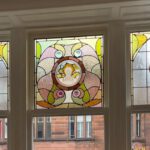
Stained and Leaded Glass Guide
Stained and leaded glass is one of the oldest and most beautiful forms of decorative glasswork. It is often seen in churches, historic buildings, and period homes. Today it is also used in modern interiors to add character, colour, and light.
What is Stained and Leaded Glass
Stained glass is made by colouring glass during the production process. Different metal oxides are added to the molten glass to produce rich colours. Leaded glass refers to glass panels held together by strips of lead. These strips are shaped into patterns and soldered at each joint. The combination creates decorative panels that can last for centuries if cared for properly.
Where You See Stained and Leaded Glass
You can see stained glass in windows, doors, skylights, and feature panels. Many churches and cathedrals in Britain are known for their stained glass art. Domestic homes also use leaded glass for front doors, internal doors, and fanlights above doorways. It is common in Victorian and Edwardian houses and has become a popular choice again in modern design.

Benefits of Stained and Leaded Glass
- Brings light and colour into a space
- Adds privacy without blocking daylight
- Creates a unique design feature in any room
- Increases the value and character of a property
- Can be made to suit both traditional and modern settings
How to Care for Stained and Leaded Glass
Regular care helps stained and leaded glass remain strong and attractive. Clean with a soft cloth and mild detergent. Avoid harsh chemicals as they can damage the glass or lead joints. Inspect panels for signs of cracks or loose lead came. If you notice issues, seek advice from a professional restorer. Leaded glass can be repaired or releaded if needed.
Common Problems and Repairs
Over time, stained and leaded glass can suffer from a few common problems. These include:
- Cracks or chips in the glass pieces
- Loose or weakened lead joints
- Bowing or sagging panels due to age
- Water leaks around old frames
Repairs often involve releading, replacing damaged pieces, or strengthening panels with support bars. Skilled glass restorers can match colours and textures so repairs blend with the original design.
Using Stained and Leaded Glass in Modern Design
Modern interiors often use stained glass in subtle ways. You can choose simple leaded panels with clear textured glass for doors and windows. These provide privacy while still allowing natural light. You can also add a feature panel with soft colours to create a focal point in a hallway or living room. Kitchens and bathrooms can benefit from decorative glass splashbacks and screens.
Choosing a Stained and Leaded Glass Specialist
If you plan to install stained or leaded glass, choose a specialist with experience. Ask to see examples of past work. Check if they provide both design and installation. Good specialists can guide you on patterns, colours, and the best use of glass in your property. They can also advise on security, insulation, and maintenance.
Sustainability and Reuse
Stained glass is highly sustainable. Many old panels are restored and reused in new projects. Reclaimed stained glass is often fitted into modern frames and used as decorative features. This reduces waste and preserves heritage craft.
Key Takeaway
Stained and leaded glass offers more than decoration. It brings light, privacy, and a sense of history to any building. Whether you own a period home, a modern property, or a place of work, stained glass can transform the look and feel of your space. With the right care and professional help, it can last for generations.
Found This Article Helpful?
Share it with others who might benefit from these insights.
Tags:
About AWM Glass Designers Limited
AWM Glass Designers Limited is a leading company in stained glass restoration and modern glazing. With over four decades of experience in stained glass restoration and modern glazing, we have dedicated our company to preserving our architectural heritage while advancing the field through innovation and education.